Abdominoplasty in 2026 is one of the most common body-contouring procedures performed in Brazil, and how you prepare in the weeks before surgery has a direct effect on how you heal after it. This guide walks through exactly what to do, in what order, starting eight weeks out.
- Stop smoking 4-6 weeks before abdominoplasty — nicotine restricts blood flow and slows tissue healing.
- Bloodwork, EKG, and a pre-op medical clearance are standard requirements before scheduling in 2026.
- Arrange a caregiver for the first 7-10 days; you cannot drive or lift for at least two weeks.
- Stopping blood thinners and certain supplements 2 weeks prior lowers bleeding and bruising risk significantly.
Why this matters
Abdominoplasty is major surgery, not a lunchtime procedure. The abdominal muscles get sutured back together, excess skin is removed, and the incision spans the lower abdomen — recovery depends as much on what you do before surgery as what happens in the operating room.
Patients who follow a structured prep protocol tend to report less swelling, fewer wound complications, and a smoother return to normal activity. Skipping steps — smoking up until the week of surgery, not arranging help at home, ignoring the pre-op bloodwork — is the single biggest driver of avoidable complications.
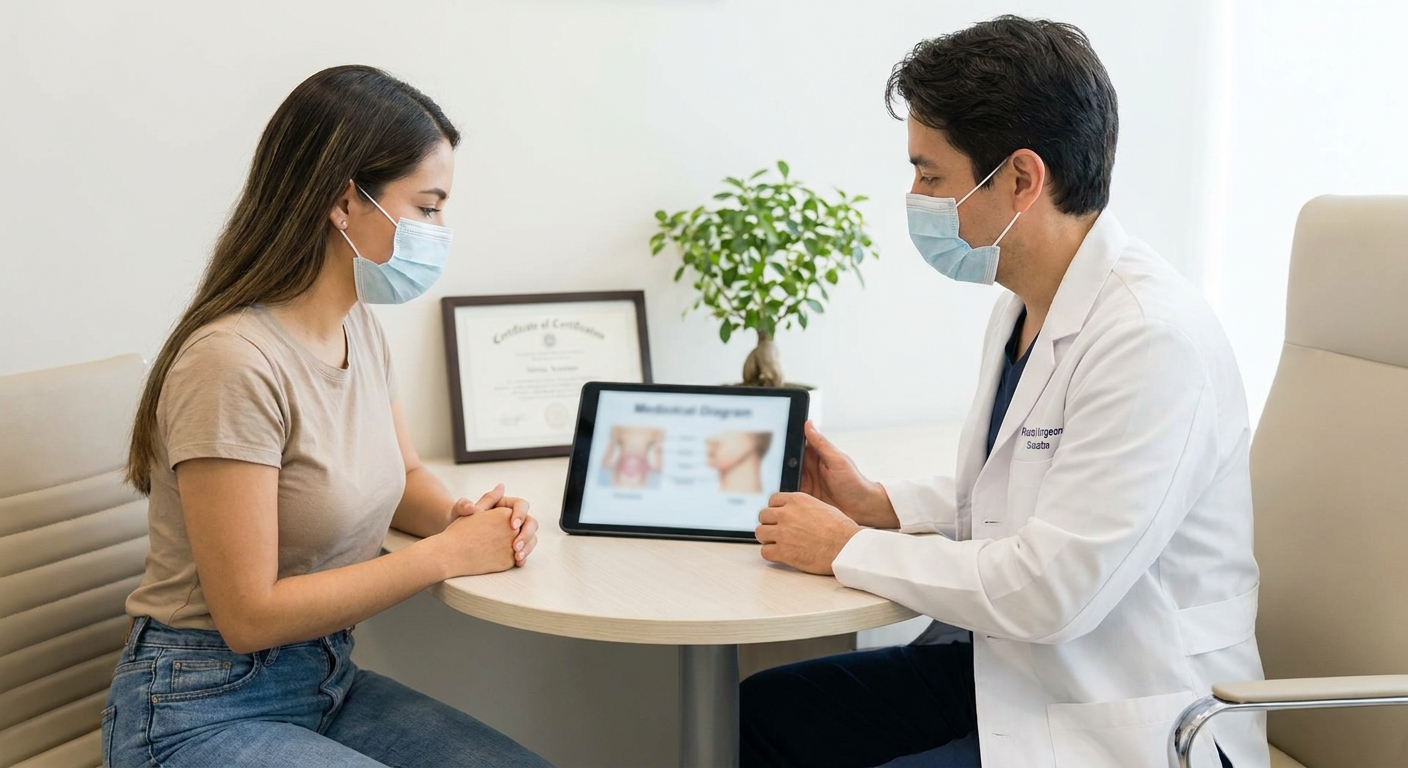
Dra. Marcia Queiroz walks every abdominoplasty patient through a pre-op checklist during consultation, but knowing the reasoning behind each step makes it far easier to actually follow through at home.
What you'll need
- Pre-op bloodwork and, depending on age and health history, an EKG or chest X-ray
- Medical clearance from your primary care physician if you have any cardiac, pulmonary, or metabolic condition
- A list of every medication and supplement you currently take, including over-the-counter drugs
- A caregiver lined up for at least the first week after surgery
- Compression garment (usually provided or prescribed by your surgeon before the procedure)
- Loose, front-closing clothing for the drive home and the first two weeks
- Prepped meals or groceries stocked in advance — you won't feel like cooking or standing for long
- A recovery space at home with a recliner or wedge pillow to keep your torso elevated
The steps
1. Schedule your pre-op medical workup 4-6 weeks out
Bloodwork, an EKG if indicated, and general medical clearance confirm you're a safe candidate for general anesthesia. This step also catches undiagnosed issues — anemia, thyroid imbalance, uncontrolled blood pressure — that need correcting before surgery, not during it.
Book this appointment as soon as your surgery date is confirmed. Results can take one to two weeks to come back, and delays here can push your surgery date.
Common mistake: waiting until the week before surgery to get labs done, which leaves zero time to address an abnormal result.
2. Stop smoking and nicotine products at least 4-6 weeks before surgery
Nicotine constricts blood vessels and reduces oxygen delivery to healing tissue, which raises the risk of skin necrosis around the incision. This is one of the few prep steps surgeons treat as non-negotiable.
That includes vaping and nicotine patches, not just cigarettes. If you're struggling to quit, say so at your consultation rather than hiding it — surgery can be rescheduled, but a necrotic wound cannot be undone.
Common mistake: quitting for two weeks and assuming that's enough. Nicotine's effect on microcirculation lingers well past the point you stop feeling cravings.
3. Adjust medications and supplements 2 weeks out
Aspirin, ibuprofen, fish oil, vitamin E, and many herbal supplements thin the blood and increase bruising and bleeding risk during surgery. Your surgeon will give you a specific list of what to pause and when, based on your medical history.
Never stop a prescribed blood thinner or hormone medication on your own — coordinate any change with the prescribing physician first.
Common mistake: stopping everything at once without checking, including medications that are actually safe to continue.
4. Arrange your recovery support and home setup 1-2 weeks out
You will not be able to drive, lift anything over a few pounds, or fully straighten your torso for the first one to two weeks. Someone needs to be with you for at least the first 24-48 hours, and ideally available for the first week.
Set up a recovery zone before surgery day: a recliner or wedge pillow, phone charger within reach, a small table for medications and water, and easy-to-reach items so you're not bending or reaching overhead.
Common mistake: assuming you'll manage stairs, pets, or young children solo in week one — most patients underestimate how limited mobility actually feels post-op.
5. Stock the kitchen and simplify meals the week before
Standing to cook is uncomfortable in the first week, and you'll want protein-forward, easy meals to support tissue repair. Batch-cook or freeze meals, or arrange grocery delivery for the days right after surgery.
Stay hydrated in the days leading up to surgery too — proper hydration supports circulation and can make anesthesia recovery smoother.
Common mistake: relying entirely on takeout, which gets expensive and inconsistent by day four or five when a caregiver's schedule shifts.
6. Confirm fasting instructions and pack for surgery day
Most anesthesia protocols require no food or liquid for 8 hours before surgery — confirm the exact cutoff with your surgical team, since it varies by anesthesia type and appointment time. Pack loose, front-zip clothing, flat shoes, and skip jewelry, contact lenses, and makeup.
Have your ride confirmed the night before, not the morning of. Anesthesia means you cannot drive yourself home under any circumstance.
Common mistake: eating a "small snack" hours after the fasting cutoff because it feels like it doesn't count — it does, and it can get your surgery cancelled same-day.
Troubleshooting
You're still craving nicotine two weeks before surgery. Tell your surgeon directly. Nicotine replacement isn't a safe workaround since it still constricts blood vessels — your team may adjust the timeline rather than risk the procedure.
Your labs come back abnormal. Don't panic, but don't ignore it either. Most abnormalities (mild anemia, borderline glucose) are correctable in 2-4 weeks with the right intervention, which may just shift your surgery date slightly.
You can't find anyone to stay with you for a full week. A shorter but higher-coverage plan works: someone present for the first 48-72 hours, then check-ins and help with errands for the rest of week one.
You forgot to stop a blood thinner or supplement on schedule. Call your surgical team immediately rather than waiting for your next appointment — this can affect whether surgery proceeds as planned.
You're anxious about the procedure itself. This is normal before any major surgery. Bring a written list of questions to your pre-op visit so nothing gets lost in the moment.
Book your abdominoplasty consultation
Get a personalized pre-op plan built around your health history.
Tools and resources
- Pre-op checklist from your surgical team — follow it over generic internet advice, since it's tailored to your anesthesia plan and health history
- A pill organizer to track which medications are paused and when they resume
- A thermometer at home to monitor for post-op fever, a sign of infection
- Compression garments sized and fitted before surgery day, not ordered last-minute
- Direct contact information for your surgical team for questions in the days before and after surgery
What to do next
Once your prep checklist is complete, the next thing to understand is what the first two weeks of recovery actually look like day by day — drain care if applicable, when swelling peaks, and when you can realistically return to desk work. Bring this up directly at your pre-op appointment so your recovery plan is specific to your case, not generic.
FAQ
How far in advance should I start preparing for abdominoplasty?
Start medical workup and lifestyle changes 4-6 weeks before surgery. Smoking cessation and medication adjustments need that lead time to actually reduce surgical risk.
Do I need to stop smoking before abdominoplasty?
Yes, stop smoking and all nicotine products at least 4-6 weeks before surgery. Nicotine restricts blood flow to healing tissue and raises the risk of skin necrosis at the incision.
What medications should I stop before abdominoplasty?
Blood thinners, aspirin, ibuprofen, and certain supplements like fish oil and vitamin E are typically paused 2 weeks before surgery. Always confirm the exact list and timing with your surgeon rather than guessing.
How long do I need someone to help me after surgery?
Plan for a caregiver present for at least the first 48-72 hours, with support available through the first 7-10 days. You won't be able to drive or lift during this window.
Can I eat or drink before abdominoplasty surgery?
Most protocols require fasting for 8 hours before surgery, but the exact cutoff depends on your anesthesia plan. Confirm the specific timing with your surgical team, since eating past the cutoff can lead to a same-day cancellation.
What should I pack for abdominoplasty surgery day?
Pack loose, front-closing clothing, flat shoes, and skip jewelry, makeup, and contact lenses. Confirm your ride home the night before, since driving yourself is not an option after anesthesia.
Is bloodwork required before abdominoplasty?
Yes, pre-op bloodwork and sometimes an EKG are standard requirements before scheduling surgery in 2026. This catches issues like anemia or blood pressure problems that need correcting beforehand.
One last thing
The prep step patients underestimate most isn't the bloodwork or the medication list — it's the home setup. A recliner, a stocked fridge, and a confirmed caregiver schedule sound minor compared to the surgery itself, but they're what actually determine whether week one feels manageable or miserable. Set up the recovery space before surgery day, not after.